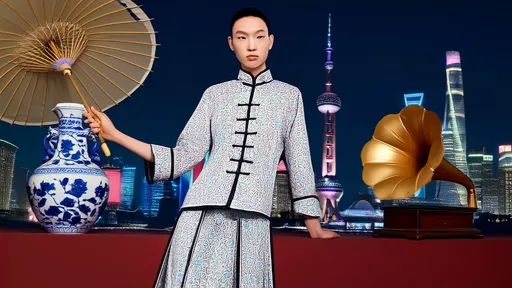
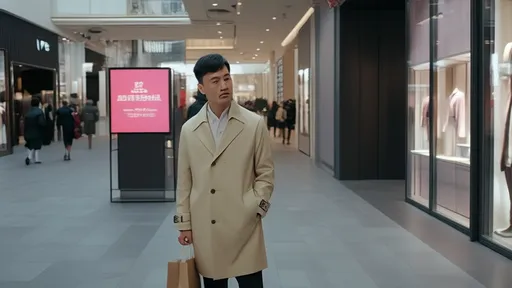
The Shanghai Fashion Week has long been a crucible of creativity, where China's most daring designers converge to redefine contemporary aesthetics. This season's standout collections didn't merely follow global trends—they dissected cultural DNA with surgical precision, stitching together fragments of heritage and futurism into wearable manifestos. What emerged wasn't just fashion, but a series of visual thesis statements about Chinese identity in flux.
Among the most electrifying was Xu Zhi's liquid metal embroidery series, where traditional Suzhou stitching techniques collided with aerospace-grade fabrics. The designer transformed qipao silhouettes into kinetic sculptures, with threadwork that shimmered like data streams when models moved. This wasn't nostalgia repackaged for Western audiences, but rather a proposition: what if China's craft traditions evolved at Silicon Valley's pace?
Staffonly's "Office Dynasty" collection weaponized corporate aesthetics with devastating wit. Tailored jackets featured exaggerated shoulders that recalled both Ming dynasty armor and 1980s power dressing, while QR code patterns dissolved into Song dynasty landscape paintings. The message cut through the runway fog—today's battlegrounds are boardrooms, and the armor is algorithmic.
Shie Lyu's biomechanical knitwear deserves particular attention for its material alchemy. By embedding shape-memory alloys within cashmere, the designer created garments that morphed according to body heat and movement. A single piece might transition from structured blazer to fluid drape, mirroring the duality of urban professionals who code-switch between Confucian decorum and startup disruptor mindsets.
The breakout moment came from Chen Peng's "Frozen Phoenix" collection, where down-filled creations ballooned into abstract sculptures. Inspired by northeast China's winter rituals, the designs used temperature-reactive dyes that bloomed with color as models' body heat penetrated the fabrics. This wasn't just technical mastery—it was alchemical theater, transforming survival gear into ceremonial vestments.
Fabricq's zero-waste denim system revealed fashion's possible sustainable future. By developing modular components that could be disassembled and reassembled like Tang dynasty puzzle toys, the label created garments with infinite permutations. The accompanying blockchain authentication system traced each cotton fiber's journey from Xinjiang fields to runway, setting new transparency standards.
Deepmoss's "Wet Market Mythology" deserves analysis for its subversive materiality. PVC trenches printed with vegetable vendor motifs clashed with delicate porcelain buttons, while woven bamboo "shopping bags" mutated into haute couture silhouettes. The collection asked uncomfortable questions about class and authenticity in China's rapid urbanization—can luxury coexist with street-level vitality?
Yueqi Qi's jewelry-infused knits rewired cultural symbols with punk irreverence. Traditional longevity locks became USB ports, jade pendants glitched into pixelated artifacts, and pearl strands incorporated LED filaments. This wasn't heritage cosplay, but a violent recombination of symbols—the digital native's answer to heirloom treasures.
At Pronounce, the "Floating Script" collection explored Hanzi's sculptural potential. Oversized characters from Tang poetry were deconstructed into abstract patterns that changed meaning depending on viewing angles—a sartorial equivalent of classical literature's multiple interpretations. The designs challenged Western-centric typography dominance in global fashion.
Closing the week, Windowsen's cyborg opera transported audiences to a 2080 Peking Opera house. 3D-printed headdresses referenced both ancient court headdresses and neural implants, while laser-cut leather simulated lacquerware textures. The collection's genius lay in its refusal to position tradition and technology as opposites—here, they were always already intertwined.
What united these disparate visions was a refusal to be pigeonholed as either "Chinese designers" or "global designers." The collections demonstrated that the most compelling fashion today emerges from specific cultural soil while speaking in a visual language the whole world can parse. Shanghai Fashion Week 2024 didn't showcase China catching up to global fashion—it presented a future where global fashion must catch up to China's velocity of reinvention.
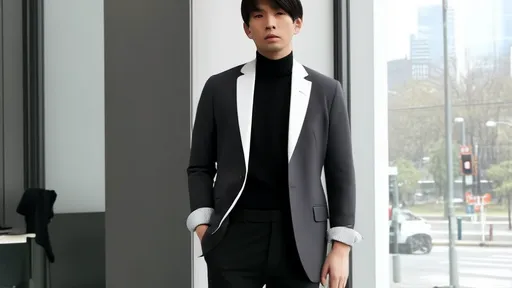
The art of layering has long been a cornerstone of sophisticated dressing, and few combinations embody this principle as elegantly as the high-neck sweater, shirt, and suit jacket trifecta. This timeless trio, often referred to as the "three-piece layering formula," transcends seasonal trends while offering unparalleled versatility for both professional and social settings. What begins as a practical solution for transitional weather evolves into a masterclass in texture play and tonal harmony when executed with intention.
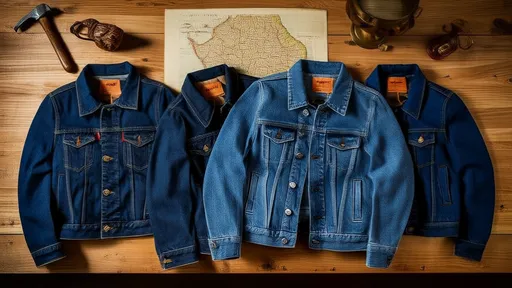
The denim jacket stands as one of fashion's most enduring silhouettes, a sartorial artifact that has weathered half a century of cultural shifts while maintaining its fundamental DNA. Like archaeological strata revealing civilizations through layers of sediment, the evolution of the classic denim jacket tells a story about changing attitudes toward workwear, rebellion, and ultimately, timeless style.
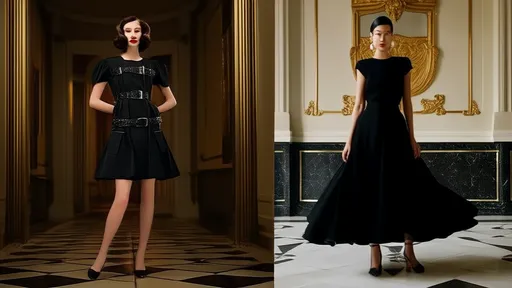
The fashion pendulum has swung to its extremes this season, with designers and style enthusiasts alike embracing the dramatic dichotomy between micro-mini and floor-grazing hemlines. This sartorial standoff between barely-there and sweeping silhouettes has ignited conversations about femininity, power dressing, and the cultural moment we're living through.
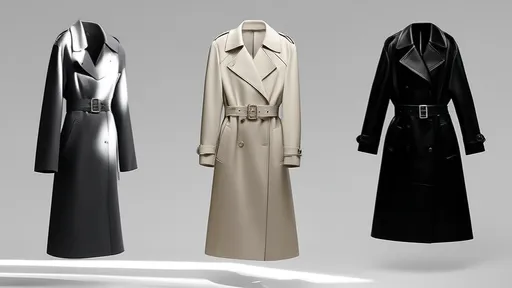
The fashion world is no stranger to reinvention, but the latest revolution in trench coat materials is rewriting the rules of outerwear. Gone are the days when gabardine cotton reigned supreme—today’s most daring designers are embracing unexpected fabrics like cashmere, silk, and even leather to redefine the classic trench. This isn’t just a stylistic shift; it’s a material rebellion that challenges the very essence of what a trench coat can be.
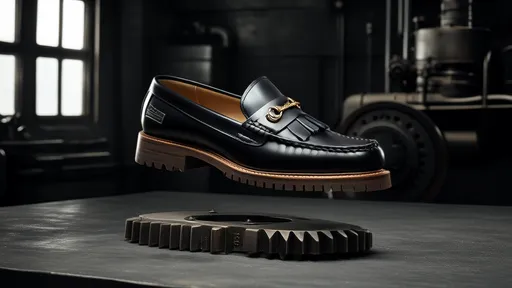
The loafer, that timeless slip-on shoe, has undergone more transformations than a Hollywood starlet. From its humble beginnings as a practical footwear choice to its current status as a fashion chameleon, the loafer has embraced trends with surprising adaptability. The latest chapter in its evolution sees the return of three distinct design elements: fringe, metal accents, and chunky soles. This isn't their first appearance on the loafer stage, and if fashion history teaches us anything, it won't be their last.
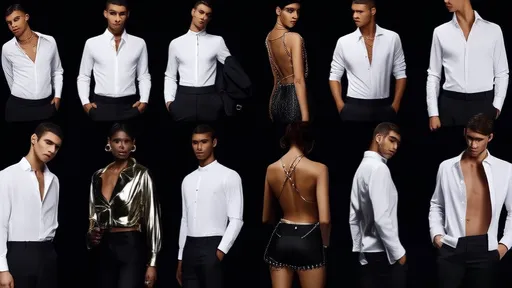
The humble white shirt has long been considered a wardrobe staple, but its versatility extends far beyond the boardroom. This timeless piece can seamlessly transition from professional settings to evening revelry with just a few strategic styling choices. The key lies in understanding how fabric, cut, and accessories can completely transform its character.
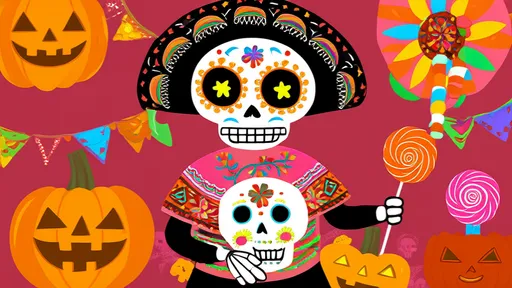
The vibrant celebration of Día de los Muertos (Day of the Dead) has long been a source of artistic inspiration, and its iconic imagery is now finding a playful new canvas: children’s fashion. The fusion of traditional Mexican folklore with contemporary kidswear has given rise to a delightful trend—whimsical interpretations of calaveras (skulls), marigolds, and other symbolic elements that capture the essence of the holiday while radiating childlike charm.
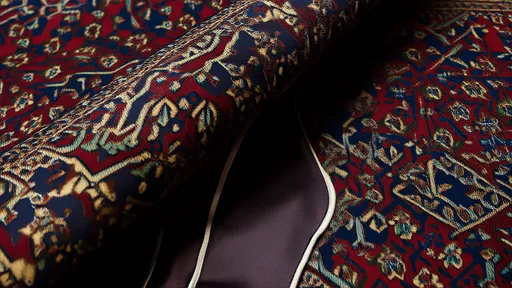
The intersection of traditional craftsmanship and contemporary fashion has always been a fertile ground for innovation. One of the most intriguing developments in recent years is the deconstruction of Persian carpet motifs for use in the lining of bespoke suits. This fusion of Eastern artistry and Western tailoring is not merely a stylistic choice but a narrative woven into the very fabric of modern menswear.
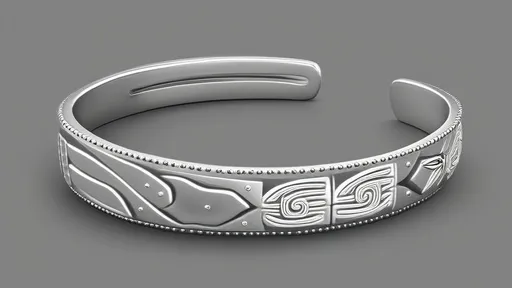
The intricate silver ornaments of the Miao people have long been celebrated for their craftsmanship and cultural significance. For centuries, these pieces have served not only as adornments but also as carriers of identity, history, and spiritual beliefs. In contemporary jewelry design, however, there is a growing movement to reinterpret these traditional elements through a minimalist lens. This shift, often referred to as "subtractive transformation," seeks to distill the essence of Miao silverwork into forms that resonate with modern aesthetics while honoring their roots.
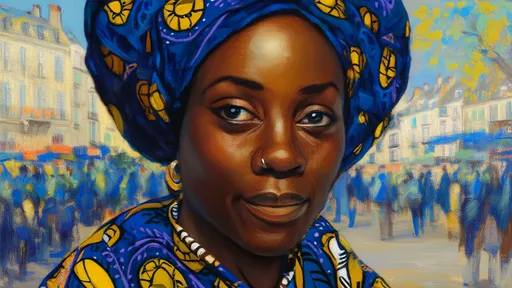
The vibrant hues of African wax prints and the luminous palette of European Impressionism might seem worlds apart at first glance. Yet, when placed in dialogue, these two distinct artistic traditions reveal a fascinating conversation about color, culture, and perception. Both traditions, though rooted in different continents and histories, share an unapologetic celebration of color as a language unto itself—one that transcends borders and speaks directly to the soul.
The fusion of Eastern and Western fashion has always been a fascinating subject, and one of the most intriguing cross-cultural adaptations is the incorporation of the Japanese obi—a wide, structured sash traditionally worn with kimono—into Western formalwear. This stylistic marriage is not merely about borrowing a decorative element; it represents a deeper dialogue between two distinct sartorial philosophies. The obi's rigid architecture and bold proportions have inspired designers to reimagine the silhouette of evening gowns, tuxedos, and even bridal wear, creating garments that defy conventional tailoring while honoring the heritage of both traditions.
The Shanghai Fashion Week has long been a crucible of creativity, where China's most daring designers converge to redefine contemporary aesthetics. This season's standout collections didn't merely follow global trends—they dissected cultural DNA with surgical precision, stitching together fragments of heritage and futurism into wearable manifestos. What emerged wasn't just fashion, but a series of visual thesis statements about Chinese identity in flux.
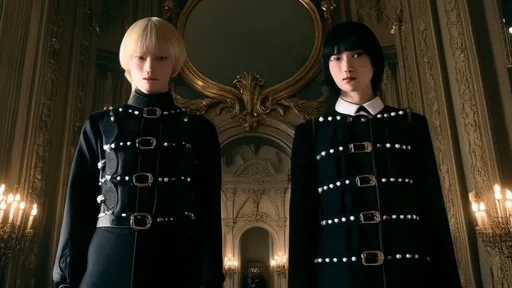
In the realm of high fashion, where visual storytelling reigns supreme, Gucci has once again pushed the boundaries of creative expression with its latest campaign featuring twin models. This audacious move isn’t merely about doubling the beauty on display—it’s a deliberate exploration of symmetry as a theatrical device, a visual language that speaks to our subconscious fascination with mirrored perfection. The Italian luxury house has transformed the runway into a stage where doppelgängers perform an intricate dance of duality, challenging our perceptions of identity and aesthetics.
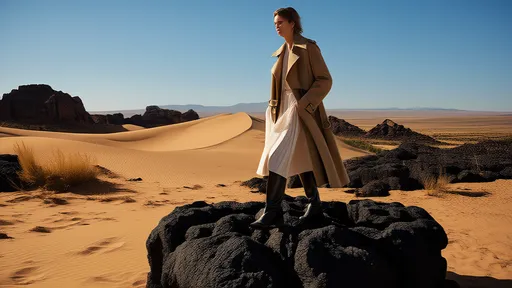
The vast, ochre-hued dunes of the Sahara served as an improbable yet poetic canvas for Saint Laurent’s latest spectacle—a desert mirage where fashion’s most austere aesthetics collided with nature’s untamed grandeur. Anthony Vaccarello’s decision to stage the Fall 2023 menswear show in the Merzouga desert wasn’t merely a logistical flex; it was a philosophical provocation. Here, where the horizon dissolves into heat waves and the silence hums with infinity, the brand’s signature minimalism underwent a metamorphosis. The barren landscape, far from diminishing the collection’s impact, became its most potent collaborator.
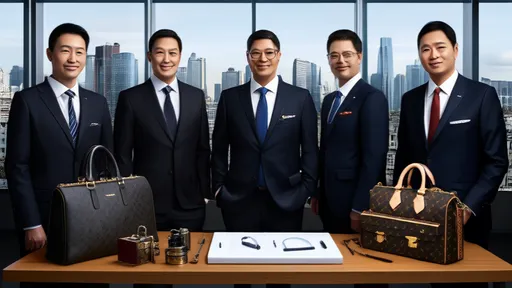
In the hushed grandeur of Parisian ateliers, where leather scraps whisper across cutting tables like autumn leaves, the Louis Vuitton trunk undergoes its silent metamorphosis. What began in 1854 as a practical solution for aristocrats transporting gowns between châteaux has become something far more potent - a floating stage where contemporary narratives of mobility, identity, and aspiration unfold. The trunk no longer merely carries possessions; it carries metaphors.
The recent Dior runway show once again proved that fashion is not merely about clothing—it’s an immersive experience where every element, from fabric to floral arrangements, communicates a deeper narrative. The centerpiece of this season’s spectacle was an extravagant floral wall, a living, breathing installation that transcended mere decoration. Its presence was so commanding that it became a co-star alongside the models, whispering secrets about nature, femininity, and the brand’s heritage through petals and stems.
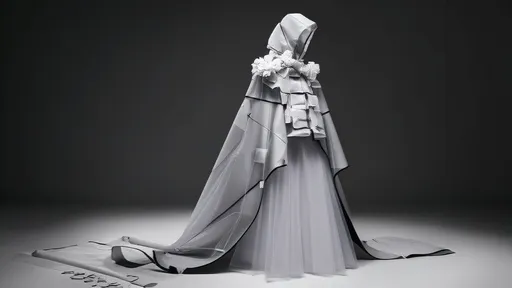
The wedding industry has long been synonymous with extravagance and excess, but a quiet revolution is taking place as sustainability becomes a priority for modern couples. At the heart of this shift is the rise of reusable wedding dress designs—a movement that challenges the tradition of wearing a gown only once. Designers and brides alike are rethinking the lifecycle of these cherished garments, transforming them from single-use relics into versatile pieces meant for years of wear.
The global luxury resale market has undergone a seismic shift in recent years, fueled by changing consumer attitudes toward sustainability and the democratization of high-end fashion. At the heart of this transformation lies the critical issue of trust – how to authenticate pre-owned luxury goods across borders in a market where counterfeits have historically thrived. The standardization of authentication protocols is emerging as the linchpin that could unlock the industry's full potential.
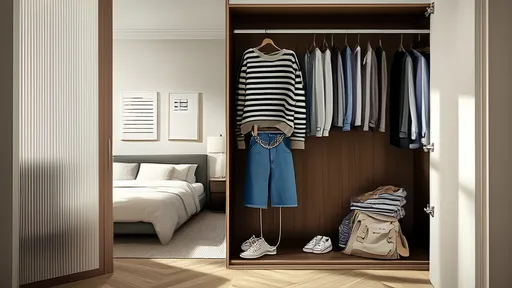
The Z Generation's wardrobe is a fascinating study in contrasts—a carefully curated mix of high-rotation staples and unworn relics of impulsive purchases. Unlike previous generations, Gen Z approaches fashion with a unique blend of pragmatism and passion, resulting in a closet that’s equal parts utilitarian and expressive. Recent reports delving into their buying habits reveal surprising patterns, highlighting the items they can’t live without and the regrettable purchases gathering dust.
The global economic landscape has shifted dramatically in recent years, with middle-class consumers tightening their belts amid inflationary pressures and economic uncertainty. This phenomenon of "consumption downgrading" presents both challenges and opportunities for affordable luxury brands that once thrived on aspirational shopping. The once-reliable playbook of premium pricing and conspicuous branding now requires careful rethinking as value-conscious shoppers scrutinize every purchase.