In the glittering world of art fairs, where blue-chip galleries and established institutions often dominate the spotlight, small and mid-sized art organizations face a unique set of financial challenges. The allure of international exposure, collector networking, and potential sales is powerful, yet the associated costs can be prohibitively high, threatening to strain limited operational budgets. For these smaller players, a successful fair appearance is not just about artistic presentation; it is an exercise in meticulous financial strategy and shrewd resource management. The goal is to achieve maximum impact and return on investment without succumbing to the fiscal excess that can sometimes characterize these high-stakes events.
The journey begins long before the crates are shipped or the booth walls are painted. It starts with a fundamental, strategic question: which fair is the right fit? The art calendar is packed with events of varying scale, prestige, and focus. While the temptation to aim for the most prestigious global fairs is understandable, the associated costs—from exorbitant booth fees to the high price of doing business in cities like Basel, Miami, or Hong Kong—can quickly become untenable. Astute smaller organizations are increasingly looking beyond the obvious choices. They are turning their attention to well-regarded regional fairs, emerging market events, or specialized fairs focused on a specific niche, such as photography, prints, or emerging art. These venues often offer a more targeted collector base, lower overhead, and a greater opportunity to stand out without being overshadowed by artistic giants. The strategy is not to compete on the same field but to choose a field where one’s strengths can shine brightest.
Once a target fair is identified, the real work of budgeting and cost-control begins. This process demands a forensic level of detail. Every single expense must be anticipated, from the obvious (booth rental, travel, accommodation, shipping, and insurance) to the often-overlooked "hidden costs" (catalogue entry fees, VIP dinner invitations, extra electrical outlets, Wi-Fi access, and even floral arrangements for the booth). Creating a comprehensive master budget is non-negotiable. This document becomes the financial blueprint for the entire operation. Contingency funds are not a luxury; they are a necessity, typically accounting for at least 10-15% of the total budget to cover unforeseen expenses, currency fluctuations, or last-minute opportunities.
Perhaps the most significant line item, after the booth fee itself, is logistics. The cost of professionally shipping fragile, high-value artwork across borders is staggering. Here, creativity and collaboration are key cost-saving tools. Some galleries band together to negotiate bulk shipping rates with a single freight forwarder. Others explore shared transportation, where works from several galleries are consolidated into a single shipment. For organizations within driving distance of a fair, self-transporting smaller works in a climate-controlled vehicle can yield substantial savings, though this requires stringent insurance and security measures. The mantra is to question every standard procedure: is there a safer, simpler, or more collaborative way to achieve the same result for less?
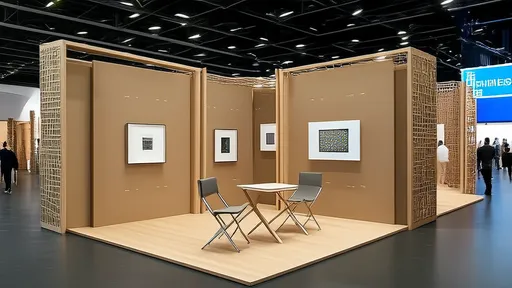
The design and construction of the booth present another major opportunity for fiscal ingenuity. Commissioning custom-built stands for each fair is a luxury of the past for most. The modern, cost-effective approach is to invest in a modular, reusable booth system. These systems, often comprising lightweight panels, versatile shelving, and adaptable lighting, can be reconfigured for different fair spaces, ensuring a professional and cohesive brand presentation year after year without the cost of starting from scratch. Furthermore, the choice of materials has evolved. While lavish finishes were once the norm, there is a growing appreciation for minimalist, sustainable, and intelligent design. Using recycled materials, opting for elegant simplicity over opulent complexity, and focusing lighting to highlight the art rather than the architecture of the booth are all strategies that reduce costs while often enhancing the aesthetic appeal.
The human resources aspect is equally critical. Sending a large team to a fair is enormously expensive when factoring in flights, hotels, per diems, and fair wages for the duration. The solution is to send a small, versatile, and highly trained "A-team." This group must be multi-skilled, capable of handling sales, client relations, art handling, and administrative tasks with equal proficiency. Cross-training staff ensures that a lean team can operate efficiently. Supplementing this core team with locally hired, pre-vetted temporary staff for basic gallery sitting or logistical support during the busy opening days can be a cost-effective way to manage peak periods without the expense of transporting a full team.
In today's digital age, a physical presence at a fair can be powerfully amplified by a strategic online offensive. This is a high-impact, low-cost area where smaller institutions can level the playing field. A robust digital campaign in the weeks leading up to the fair can generate crucial pre-fair buzz. Social media previews, email newsletters featuring highlighted works, and targeted online advertising can drive traffic to the booth before the doors even open. During the fair, live social media updates, virtual tours, and online viewing rooms can extend the gallery’s reach to collectors who are unable to attend in person, potentially opening up new revenue streams. This digital extension represents a significant return on investment, turning minimal expenditure into maximum exposure.
Finally, the work does not end when the fair closes. The true measure of success often lies in the follow-up. The cost of acquiring a lead at a fair is high; therefore, capitalizing on every conversation is essential. A disciplined and immediate post-fair strategy is crucial. This involves diligently processing sales, sending tailored follow-up emails with requested images and information, and entering new collector contacts into a CRM system for long-term nurturing. The goal is to convert fair engagements into lasting relationships and future sales, thereby amortizing the high cost of participation over a longer period and building a foundation for sustainable growth.
In conclusion, navigating the art fair circuit as a small or mid-sized institution is a complex ballet of ambition and austerity. It requires a paradigm shift from seeing a fair as a simple marketplace to viewing it as a multifaceted strategic project where every decision has a financial implication. Success is no longer defined by the most extravagant booth or the largest team, but by intelligent planning, collaborative models, creative problem-solving, and a relentless focus on building genuine, lasting relationships. By embracing these cost-conscious strategies, smaller art organizations can not only survive the financial demands of the fair circuit but thrive within it, ensuring their vital voice continues to be heard in the global conversation of art.
In the rapidly evolving digital landscape, a groundbreaking intersection of art and technology has emerged through Non-Fungible Tokens, or NFTs. These unique cryptographic assets have revolutionized how we perceive ownership, authenticity, and value in the realm of digital art. The concept of digital art ownership, once nebulous due to the ease of replication, has found a robust solution through blockchain technology. NFTs provide artists and collectors with an unprecedented mechanism to claim, transfer, and preserve digital creations in a manner that was previously unimaginable.
The landscape of arts funding has undergone a significant transformation over the past decade, with a growing emphasis on accountability, transparency, and measurable impact. As philanthropic and public resources become increasingly scarce, the demand for rigorous evaluation of arts projects has intensified. The discourse around arts fund operation, particularly concerning the assessment of public benefit projects, has evolved from anecdotal success stories to a more data-driven approach. This shift necessitates the development and implementation of robust quantitative metrics that can objectively capture the value and effectiveness of artistic endeavors.
For artists navigating the complex terrain of tax obligations, understanding the nuances of reporting copyright income and managing taxes for international exhibitions is paramount. The intersection of creativity and commerce demands a strategic approach to financial planning, ensuring compliance while optimizing fiscal health. This article delves into the essential considerations and practices that artists should adopt to effectively handle their tax responsibilities related to these revenue streams.
In the intricate world of fine art, where masterpieces traverse continents and centuries, the safeguarding of cultural assets during exhibition and transit has evolved into a discipline of its own. The publication Art Insurance Practice: Risk Prevention and Control for Works During Exhibition and Transportation offers a comprehensive exploration of this critical field, merging theoretical frameworks with actionable strategies to address the vulnerabilities inherent in moving and displaying invaluable artworks. This volume serves not only as a guide for insurers but as an essential manual for curators, collectors, and logistics professionals who navigate the high-stakes environment of art stewardship.
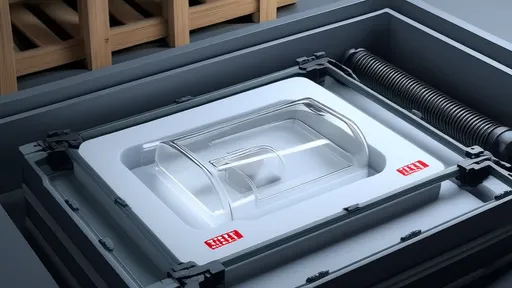
In the intricate world of fine art logistics, the packaging and transportation of fragile artworks stand as a discipline of paramount importance. It is a field where meticulous planning, advanced materials science, and a profound respect for cultural heritage converge. The journey of a delicate sculpture, a centuries-old ceramic, or a large-scale glass installation from a studio, gallery, or museum to its next destination is a high-stakes operation. The primary adversary in this journey is not theft or mishandling, but an ever-present, invisible force: vibration and shock.
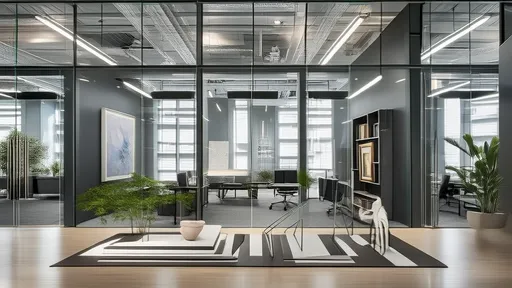
Corporate art collections have evolved from mere decorative elements to strategic assets that reflect organizational values and enhance workplace environments. The integration of artwork into office spaces requires thoughtful consideration beyond aesthetic appeal, involving curation that aligns with corporate identity, employee well-being, and brand storytelling. This guide explores the nuanced approach to blending art with functional workspaces, emphasizing how businesses can transform their offices into inspiring environments that foster creativity and productivity.
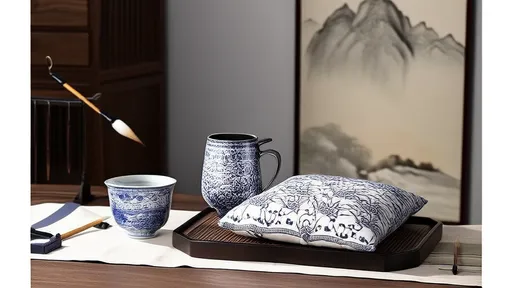
In the evolving landscape of cultural commerce, museums and galleries are increasingly turning their attention to the development of art derivatives—transforming revered intellectual property from their collections into accessible everyday products. This strategic shift not only opens new revenue streams but also serves as a powerful tool for public engagement, allowing art to permeate daily life in tangible, functional forms. The journey from a static museum piece to a dynamic commercial product involves meticulous curation, creative reinterpretation, and savvy market positioning, reflecting a broader trend where cultural heritage meets contemporary consumer culture.
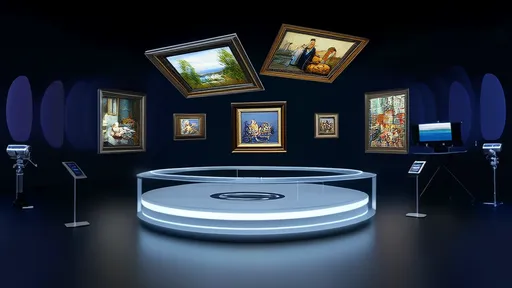
The digital transformation of the art auction world has brought unprecedented accessibility and global reach, yet it has also introduced a unique set of challenges, none more critical than the management of quality control. At the heart of this new frontier lies the complex relationship between high-definition imagery and the pervasive issue of color discrepancy. The very essence of an artwork—its color, texture, and material presence—is at risk of being lost in translation from the physical gallery to the digital screen.
In the glittering world of art fairs, where blue-chip galleries and established institutions often dominate the spotlight, small and mid-sized art organizations face a unique set of financial challenges. The allure of international exposure, collector networking, and potential sales is powerful, yet the associated costs can be prohibitively high, threatening to strain limited operational budgets. For these smaller players, a successful fair appearance is not just about artistic presentation; it is an exercise in meticulous financial strategy and shrewd resource management. The goal is to achieve maximum impact and return on investment without succumbing to the fiscal excess that can sometimes characterize these high-stakes events.
In the competitive world of contemporary art, securing gallery representation remains one of the most significant milestones for emerging artists. It is a complex journey that requires not only exceptional talent but also strategic planning, persistence, and a deep understanding of the art market's dynamics. For young artists, navigating this path can be daunting, yet with the right approach, it becomes an achievable goal.
In a groundbreaking development within sustainable art and manufacturing, researchers have unveiled significant advancements in the solidification techniques for pulp-based sculptures, marking a pivotal moment for eco-friendly materials. For decades, artists and industrial designers have grappled with the limitations of biodegradable mediums, particularly their structural integrity and durability. Traditional pulp mixtures, often derived from recycled paper or agricultural waste, have been praised for their environmental credentials but criticized for their fragility and susceptibility to environmental factors like moisture and temperature changes. However, recent innovations have transformed this narrative, pushing the boundaries of what these materials can achieve.
In the vast and evolving world of artistic expression, few materials have undergone as fascinating a transformation as metal foil. Once confined to the sacred and the ceremonial, metal foils—particularly gold, silver, and copper—are now at the forefront of contemporary artistic innovation, moving far beyond their traditional roles.
In the ever-evolving landscape of interactive art, a quiet revolution is taking place, one that bridges the gap between static visual expression and dynamic environmental dialogue. At the heart of this transformation lies thermochromic pigment—a smart material that responds to temperature variations by altering its color. This innovative substance is redefining how artists engage with their audiences, turning passive observation into an active, participatory experience. Unlike traditional mediums that remain unchanged once completed, works incorporating thermochromic pigments live and breathe with their surroundings, creating a fluid narrative shaped by both creator and spectator.
In the ever-evolving world of sculpture, a quiet revolution is taking place as artists and environmental advocates turn their attention to sustainable materials. Among these, biodegradable pottery clay has emerged as a groundbreaking medium that merges artistic expression with ecological responsibility. This innovative material not only allows sculptors to create stunning works of art but also addresses the growing concern about the environmental impact of traditional sculpting materials that persist in landfills long after their artistic purpose has been served.
In the world of mineral pigments, the ancient art of rock grinding reveals a chromatic universe hidden within stone. For centuries, artists across Asia have harnessed the earth’s geological palette to create the luminous and enduring colors known as iwa-enogu, or mineral pigments. This tradition, deeply rooted in both artistic practice and natural science, transforms raw rock into finely graded powders, each possessing a unique voice in the visual symphony of classical and contemporary painting.
The art of Kintsugi, born from the Japanese philosophy of embracing imperfection, transforms broken ceramics into vessels of profound beauty. More than a mere restoration technique, it represents a worldview where breakage and repair become part of an object's history rather than something to disguise. This centuries-old practice, translating to "golden joinery," utilizes lacquer mixed with powdered gold, silver, or platinum to mend shattered pottery, creating visible veins of precious metal that trace the lines of fracture like rivers on a map.
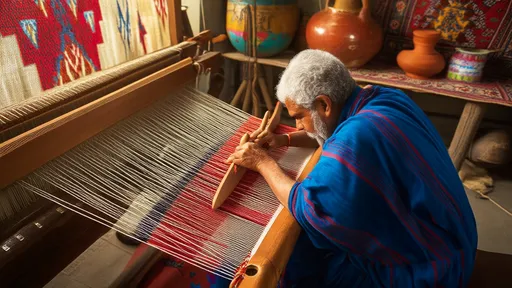
In the heart of Persia, where ancient traditions whisper through the threads of time, a quiet revolution is unfolding across the workshops of master weavers. The art of Persian carpet making, a craft that has adorned palaces and homes for millennia, is experiencing a profound transformation—one that reaches back to its roots to secure its future. This movement, gaining momentum among a new generation of artisans and conscious consumers, is the revival of natural dyes, a return to the vibrant, living colors that once defined the world's most coveted textiles.
In the heart of Jiangsu province, where tradition breathes through the hands of artisans, Yixing zisha carving stands as a testament to the profound dialogue between human creativity and earthly material. This ancient craft, rooted in the rich clay deposits unique to the region, is not merely an art form but a meticulous conversation—a dance of blade and mud that demands precision, patience, and a deep understanding of nature’s nuances. The carver’s knife does not simply cut; it listens, responds, and collaborates with the clay, shaping narratives that transcend time.
The art of Miao silver ornament craftsmanship stands as a testament to the cultural richness and technical ingenuity of the Miao people in China. For centuries, these intricate pieces have not only served as adornments but also as carriers of identity, spirituality, and social status within Miao communities. Among the various techniques employed in creating these masterpieces, traditional engraving, or zànkè, has long been a cornerstone of the craft. This meticulous process involves the use of specialized hand tools to carve detailed patterns and motifs into silver, resulting in works of breathtaking complexity and beauty.
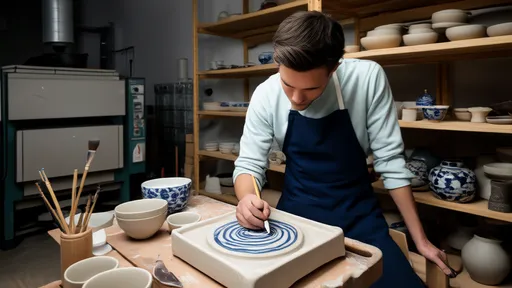
In the heart of China's ceramic capital, Jingdezhen, a quiet revolution is taking place. For centuries, this city has been synonymous with porcelain excellence, but today, its artisans are pushing boundaries in ways that honor tradition while embracing innovation. Among the most captivating developments is the modern refinement of underglaze red combined with blue and white—a technique that has challenged potters for generations. This fusion not only represents technical mastery but also a profound dialogue between past and present.