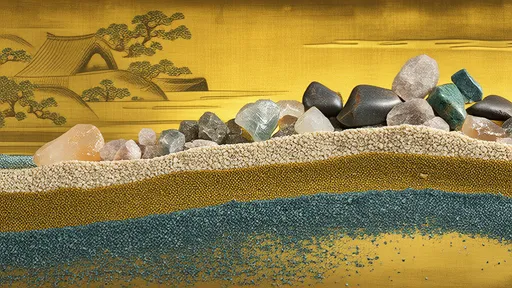
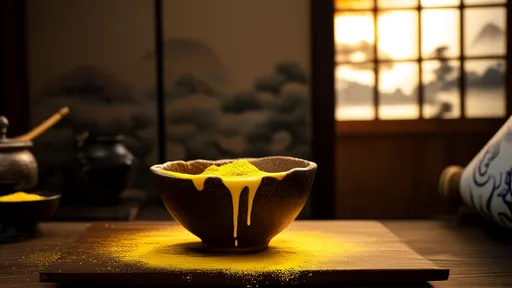
In the world of mineral pigments, the ancient art of rock grinding reveals a chromatic universe hidden within stone. For centuries, artists across Asia have harnessed the earth’s geological palette to create the luminous and enduring colors known as iwa-enogu, or mineral pigments. This tradition, deeply rooted in both artistic practice and natural science, transforms raw rock into finely graded powders, each possessing a unique voice in the visual symphony of classical and contemporary painting.
The journey begins with the careful selection of minerals and semi-precious stones—malachite for greens, cinnabar for vibrant reds, azurite for deep blues, and lapis lazuli for celestial ultramarine. Each stone carries not only color but also a narrative of geological time, formed under specific conditions of pressure, temperature, and mineral interaction. The artist-grinder must understand these origins, as the raw material’s hardness, purity, and crystalline structure directly influence the resulting hue and texture.
Grinding, the heart of this alchemical process, is both a technical and meditative practice. Using traditional stone mills or modern mechanical grinders, the raw rocks are gradually broken down. The goal is not merely to pulverize, but to liberate the color in its most expressive form. The process requires patience; rushing can overheat the material, altering its chemical properties and dulling its innate brilliance. The rhythm of grinding—the circular motion, the pressure applied, the sound of stone against stone—becomes a dialogue between the artisan and the mineral.
What emerges from the mill is not a uniform powder, but a spectrum of particle sizes. This is where the true artistry of color grading comes into play. Through a series of washing and settling steps, the ground pigment is separated into distinct grades. The heaviest, coarsest particles sink first, yielding deep, saturated colors with a gritty, sparkling texture. These are the first-grade pigments, prized for their boldness and ability to reflect light in a way that mimics the natural shimmer of the original stone.
As the water clears and finer particles settle, subsequent grades are collected. Each successive layer is lighter in both weight and color intensity. The middle grades offer a balance—rich yet subtle, often used for building layers and creating depth. The finest particles, sometimes taking days to fully settle, produce the most ethereal tones. These high-numbered grades, such as #12 or #14, are pale, almost dusty versions of their coarse counterparts. They provide soft highlights, delicate washes, and a sense of atmospheric perspective.
This hierarchical grading system does more than just sort by size; it creates an entire vocabulary of color from a single mineral source. From one lump of azurite, an artist can obtain a dozen different blues—each with its own character and application. The coarse blue might define the shadows of a mountain range, while the finest blue whispers the distant haze of the sky. This nuanced control allows for paintings that possess incredible depth and luminosity, as light interacts with the varying particle sizes in complex ways.
Beyond aesthetics, the mineral origin of these pigments grants them unparalleled longevity. Unlike organic dyes that fade with time, well-prepared mineral pigments remain stable for centuries. This is evident in ancient Buddhist murals and classical East Asian paintings, where blues and greens retain their vibrational intensity despite the passage of time. The rock, in a sense, remembers its color, offering a permanence that resonates with the timeless themes often depicted in these works.
In contemporary practice, the exploration of mineral pigments has expanded. Artists and material scientists collaborate to rediscover forgotten minerals and develop new grinding techniques. Some seek to replicate historical colors exactly, while others experiment with unconventional stones—basalt for deep grays, pyrite for metallic golds, or even locally sourced rocks that connect the artwork to a specific landscape. This fusion of tradition and innovation keeps the art form alive, relevant, and continually evolving.
The process also invites reflection on our relationship with the natural world. In an age of synthetic mass production, the grinding of mineral pigments is inherently slow and respectful. It requires the artist to engage deeply with the material, to understand its properties and limitations. Each stroke of paint carries with it the weight of geological history and the care of human hands. This connection between earth and art becomes a silent yet powerful statement in the finished work.
Ultimately, the exploration of color through stone grinding is more than a technical procedure—it is a philosophical journey. It teaches patience, observation, and humility. The artist learns to listen to the stone, to follow its lead, and to reveal rather than impose color. The resulting pigments are not mere commodities but partners in creation, each granule a fragment of the earth’s boundless palette, waiting to tell its story on the canvas.
In the rapidly evolving digital landscape, a groundbreaking intersection of art and technology has emerged through Non-Fungible Tokens, or NFTs. These unique cryptographic assets have revolutionized how we perceive ownership, authenticity, and value in the realm of digital art. The concept of digital art ownership, once nebulous due to the ease of replication, has found a robust solution through blockchain technology. NFTs provide artists and collectors with an unprecedented mechanism to claim, transfer, and preserve digital creations in a manner that was previously unimaginable.
The landscape of arts funding has undergone a significant transformation over the past decade, with a growing emphasis on accountability, transparency, and measurable impact. As philanthropic and public resources become increasingly scarce, the demand for rigorous evaluation of arts projects has intensified. The discourse around arts fund operation, particularly concerning the assessment of public benefit projects, has evolved from anecdotal success stories to a more data-driven approach. This shift necessitates the development and implementation of robust quantitative metrics that can objectively capture the value and effectiveness of artistic endeavors.
For artists navigating the complex terrain of tax obligations, understanding the nuances of reporting copyright income and managing taxes for international exhibitions is paramount. The intersection of creativity and commerce demands a strategic approach to financial planning, ensuring compliance while optimizing fiscal health. This article delves into the essential considerations and practices that artists should adopt to effectively handle their tax responsibilities related to these revenue streams.
In the intricate world of fine art, where masterpieces traverse continents and centuries, the safeguarding of cultural assets during exhibition and transit has evolved into a discipline of its own. The publication Art Insurance Practice: Risk Prevention and Control for Works During Exhibition and Transportation offers a comprehensive exploration of this critical field, merging theoretical frameworks with actionable strategies to address the vulnerabilities inherent in moving and displaying invaluable artworks. This volume serves not only as a guide for insurers but as an essential manual for curators, collectors, and logistics professionals who navigate the high-stakes environment of art stewardship.
In the intricate world of fine art logistics, the packaging and transportation of fragile artworks stand as a discipline of paramount importance. It is a field where meticulous planning, advanced materials science, and a profound respect for cultural heritage converge. The journey of a delicate sculpture, a centuries-old ceramic, or a large-scale glass installation from a studio, gallery, or museum to its next destination is a high-stakes operation. The primary adversary in this journey is not theft or mishandling, but an ever-present, invisible force: vibration and shock.
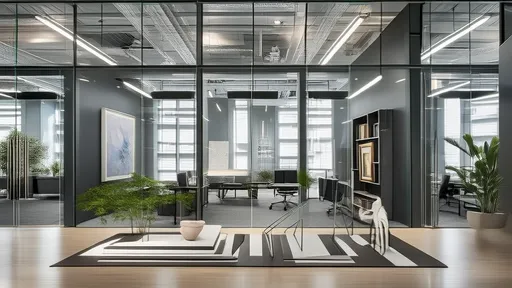
Corporate art collections have evolved from mere decorative elements to strategic assets that reflect organizational values and enhance workplace environments. The integration of artwork into office spaces requires thoughtful consideration beyond aesthetic appeal, involving curation that aligns with corporate identity, employee well-being, and brand storytelling. This guide explores the nuanced approach to blending art with functional workspaces, emphasizing how businesses can transform their offices into inspiring environments that foster creativity and productivity.
In the evolving landscape of cultural commerce, museums and galleries are increasingly turning their attention to the development of art derivatives—transforming revered intellectual property from their collections into accessible everyday products. This strategic shift not only opens new revenue streams but also serves as a powerful tool for public engagement, allowing art to permeate daily life in tangible, functional forms. The journey from a static museum piece to a dynamic commercial product involves meticulous curation, creative reinterpretation, and savvy market positioning, reflecting a broader trend where cultural heritage meets contemporary consumer culture.
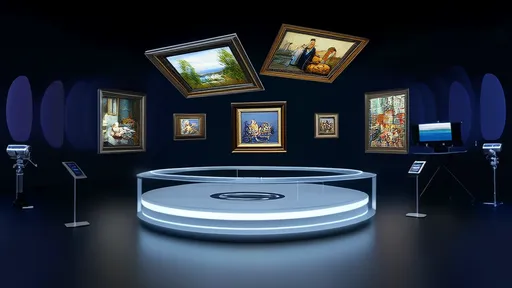
The digital transformation of the art auction world has brought unprecedented accessibility and global reach, yet it has also introduced a unique set of challenges, none more critical than the management of quality control. At the heart of this new frontier lies the complex relationship between high-definition imagery and the pervasive issue of color discrepancy. The very essence of an artwork—its color, texture, and material presence—is at risk of being lost in translation from the physical gallery to the digital screen.
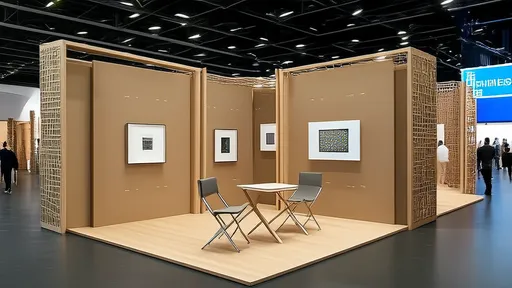
In the glittering world of art fairs, where blue-chip galleries and established institutions often dominate the spotlight, small and mid-sized art organizations face a unique set of financial challenges. The allure of international exposure, collector networking, and potential sales is powerful, yet the associated costs can be prohibitively high, threatening to strain limited operational budgets. For these smaller players, a successful fair appearance is not just about artistic presentation; it is an exercise in meticulous financial strategy and shrewd resource management. The goal is to achieve maximum impact and return on investment without succumbing to the fiscal excess that can sometimes characterize these high-stakes events.
In the competitive world of contemporary art, securing gallery representation remains one of the most significant milestones for emerging artists. It is a complex journey that requires not only exceptional talent but also strategic planning, persistence, and a deep understanding of the art market's dynamics. For young artists, navigating this path can be daunting, yet with the right approach, it becomes an achievable goal.
In a groundbreaking development within sustainable art and manufacturing, researchers have unveiled significant advancements in the solidification techniques for pulp-based sculptures, marking a pivotal moment for eco-friendly materials. For decades, artists and industrial designers have grappled with the limitations of biodegradable mediums, particularly their structural integrity and durability. Traditional pulp mixtures, often derived from recycled paper or agricultural waste, have been praised for their environmental credentials but criticized for their fragility and susceptibility to environmental factors like moisture and temperature changes. However, recent innovations have transformed this narrative, pushing the boundaries of what these materials can achieve.
In the vast and evolving world of artistic expression, few materials have undergone as fascinating a transformation as metal foil. Once confined to the sacred and the ceremonial, metal foils—particularly gold, silver, and copper—are now at the forefront of contemporary artistic innovation, moving far beyond their traditional roles.
In the ever-evolving landscape of interactive art, a quiet revolution is taking place, one that bridges the gap between static visual expression and dynamic environmental dialogue. At the heart of this transformation lies thermochromic pigment—a smart material that responds to temperature variations by altering its color. This innovative substance is redefining how artists engage with their audiences, turning passive observation into an active, participatory experience. Unlike traditional mediums that remain unchanged once completed, works incorporating thermochromic pigments live and breathe with their surroundings, creating a fluid narrative shaped by both creator and spectator.
In the ever-evolving world of sculpture, a quiet revolution is taking place as artists and environmental advocates turn their attention to sustainable materials. Among these, biodegradable pottery clay has emerged as a groundbreaking medium that merges artistic expression with ecological responsibility. This innovative material not only allows sculptors to create stunning works of art but also addresses the growing concern about the environmental impact of traditional sculpting materials that persist in landfills long after their artistic purpose has been served.
In the world of mineral pigments, the ancient art of rock grinding reveals a chromatic universe hidden within stone. For centuries, artists across Asia have harnessed the earth’s geological palette to create the luminous and enduring colors known as iwa-enogu, or mineral pigments. This tradition, deeply rooted in both artistic practice and natural science, transforms raw rock into finely graded powders, each possessing a unique voice in the visual symphony of classical and contemporary painting.
The art of Kintsugi, born from the Japanese philosophy of embracing imperfection, transforms broken ceramics into vessels of profound beauty. More than a mere restoration technique, it represents a worldview where breakage and repair become part of an object's history rather than something to disguise. This centuries-old practice, translating to "golden joinery," utilizes lacquer mixed with powdered gold, silver, or platinum to mend shattered pottery, creating visible veins of precious metal that trace the lines of fracture like rivers on a map.
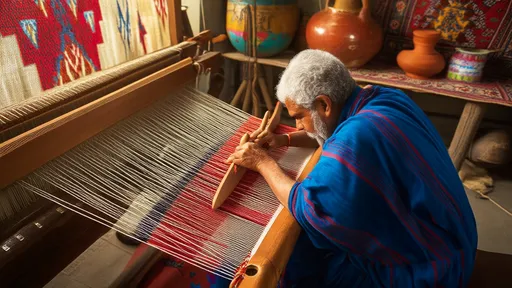
In the heart of Persia, where ancient traditions whisper through the threads of time, a quiet revolution is unfolding across the workshops of master weavers. The art of Persian carpet making, a craft that has adorned palaces and homes for millennia, is experiencing a profound transformation—one that reaches back to its roots to secure its future. This movement, gaining momentum among a new generation of artisans and conscious consumers, is the revival of natural dyes, a return to the vibrant, living colors that once defined the world's most coveted textiles.
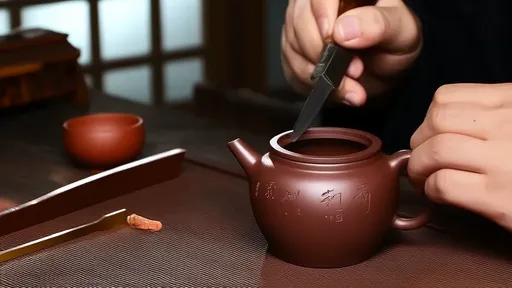
In the heart of Jiangsu province, where tradition breathes through the hands of artisans, Yixing zisha carving stands as a testament to the profound dialogue between human creativity and earthly material. This ancient craft, rooted in the rich clay deposits unique to the region, is not merely an art form but a meticulous conversation—a dance of blade and mud that demands precision, patience, and a deep understanding of nature’s nuances. The carver’s knife does not simply cut; it listens, responds, and collaborates with the clay, shaping narratives that transcend time.
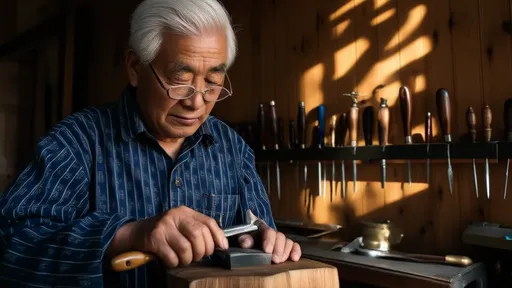
The art of Miao silver ornament craftsmanship stands as a testament to the cultural richness and technical ingenuity of the Miao people in China. For centuries, these intricate pieces have not only served as adornments but also as carriers of identity, spirituality, and social status within Miao communities. Among the various techniques employed in creating these masterpieces, traditional engraving, or zànkè, has long been a cornerstone of the craft. This meticulous process involves the use of specialized hand tools to carve detailed patterns and motifs into silver, resulting in works of breathtaking complexity and beauty.
In the heart of China's ceramic capital, Jingdezhen, a quiet revolution is taking place. For centuries, this city has been synonymous with porcelain excellence, but today, its artisans are pushing boundaries in ways that honor tradition while embracing innovation. Among the most captivating developments is the modern refinement of underglaze red combined with blue and white—a technique that has challenged potters for generations. This fusion not only represents technical mastery but also a profound dialogue between past and present.